
Mattress Cleaning for Dust Mites and Allergies
Mattress cleaning can reduce accumulated dust, skin debris and allergens, but it should be part of a broader bedroom routine.
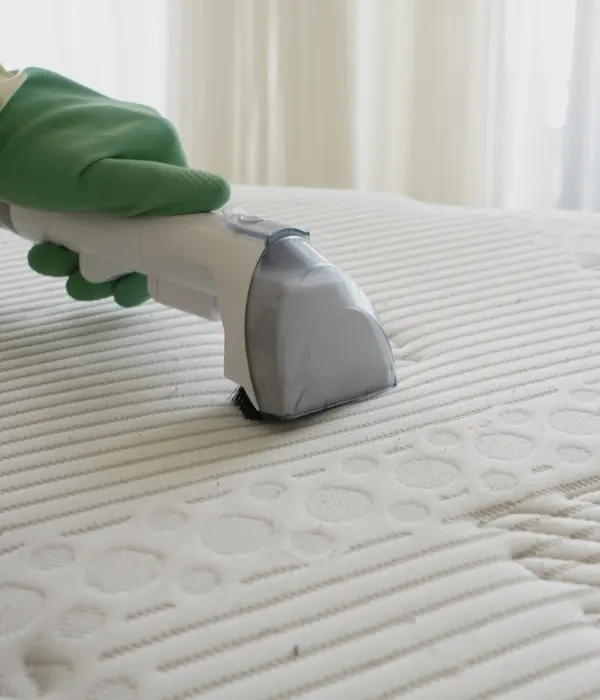
Mattresses collect shed skin, body oils, dust and other fine material over years of use. For people sensitive to dust-mite allergens, cleaning can reduce part of that accumulated load—but it is not a medical treatment or a permanent allergy cure.
Start with regular laundering of sheets and washable protectors according to their care labels. Vacuum around the bed frame, skirting boards and under the bed, where dust can accumulate unnoticed. Managing bedroom humidity and ventilation also matters.
Professional mattress cleaning should use controlled moisture and thorough extraction. The technician needs to know about stains, odours, mattress construction and whether one or both sides are used. Biological stains may require targeted treatment and cannot always be made invisible.
Allow enough drying time before remaking the bed. Good airflow is essential, and the mattress should feel dry at seams and edges—not only across the main panel.
If you have significant allergy symptoms, seek advice from a qualified health professional. Cleaning supports a sensible environmental routine; it does not replace medical assessment or treatment.
Start with regular laundering of sheets and washable protectors according to their care labels. Vacuum around the bed frame, skirting boards and under the bed, where dust can accumulate unnoticed. Managing bedroom humidity and ventilation also matters.
Professional mattress cleaning should use controlled moisture and thorough extraction. The technician needs to know about stains, odours, mattress construction and whether one or both sides are used. Biological stains may require targeted treatment and cannot always be made invisible.
Allow enough drying time before remaking the bed. Good airflow is essential, and the mattress should feel dry at seams and edges—not only across the main panel.
If you have significant allergy symptoms, seek advice from a qualified health professional. Cleaning supports a sensible environmental routine; it does not replace medical assessment or treatment.